Where Borders Blur, Crafts Connect
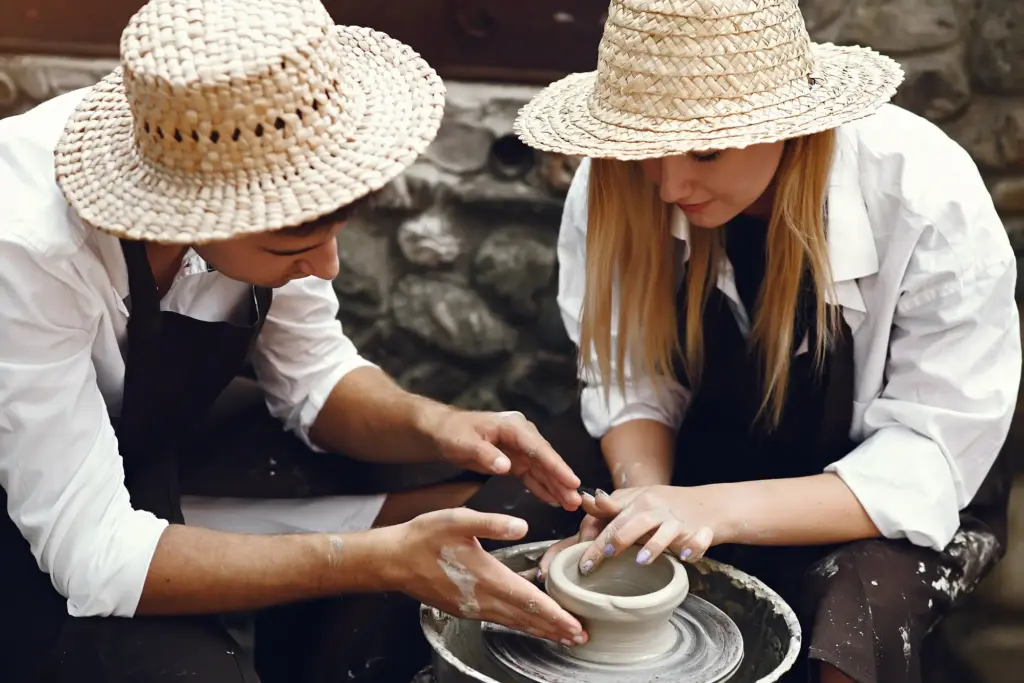
Coastlines, Karst, and Caravans: How Skills Traveled
Trade Winds and Mountain Passes
Merchants tacked along the Istrian coast while mules climbed Karst passes, loading baskets with thread, iron, olive-wood blanks, and stories. Ports like Trieste and Koper pulsed with arrivals, spreading rumors of better glues, sharper rasps, and bolder stitches. Knowledge rode conversation, marriage, and friendship, so a boat born in Murter carried an idea borrowed in Izola and improved in Monfalcone, proof that routes weave together people whose work recognizes no customs gate.
Guilds Without Borders
Formal guilds once stamped approvals, but the real school was the shared bench. Traveling masters took apprentices across frontiers to fix a keel, set leaded glass, or dress a millstone. Payment came in meals, lodging, and quiet moments watching a master’s wrist. Even when empires shifted, workshops upheld customs: fair prices, honest measure, and a duty to repair before replacing. Those unwritten rules formed a portable ethic that migrants carried and enriched.
Languages of the Hand
Workshops spoke mixed dialects long before dictionaries admitted it. A phrase in Italian for the best cut, a Slovene word for bobbins, a Croatian term for a stubborn knot, and everyone instantly understood through gesture and rhythm. Palms translated faster than tongues. Apprentices learned that sanding pressure communicates respect, and that counting lace pairs steadies the breath. In this tri-lingual chorus, the body keeps time, and shared making becomes the clearest, friendliest conversation.
Materials That Bind Three Shores
01
Lace Across Limestone
Idrija’s disciplined bobbin lace converses with airy Pag circles and Venetian lagoon filigree, each responding to climate, thread, and taste. Patterns traveled by postcard, shawl edge, and wedding chest, shifting scale to fit different pillows and hands. What looks delicate is actually engineering in miniature: tension, twist, and counted pairs managing force like bridges. When makers meet across the border, one detail changes—a denser ground, a brighter cord—and an old design suddenly breathes differently.
02
Stone, Wood, and Sea
Karst and Brač limestones shape portals, wells, and steps tuned by generations of footsteps, while oak, cypress, and pine ribs hold small fishing boats steady against afternoon gusts. Each cut honors a material’s wishes rather than imposing a shortcut. Shipwrights listen with chalk and mallet; masons feel micro-vibrations through the handle. Even scraps find purpose: wedges, plugs, or playful toys. When repairs happen, they become visible footnotes, acknowledging use as a chapter, not a scar.
03
Fire and Sand Alchemy
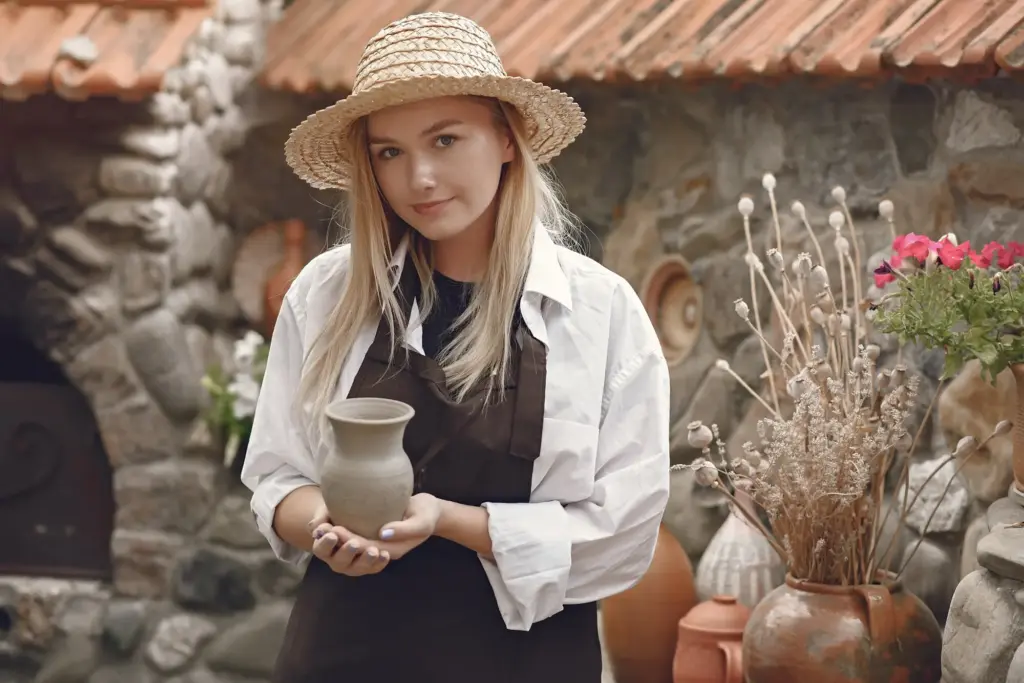
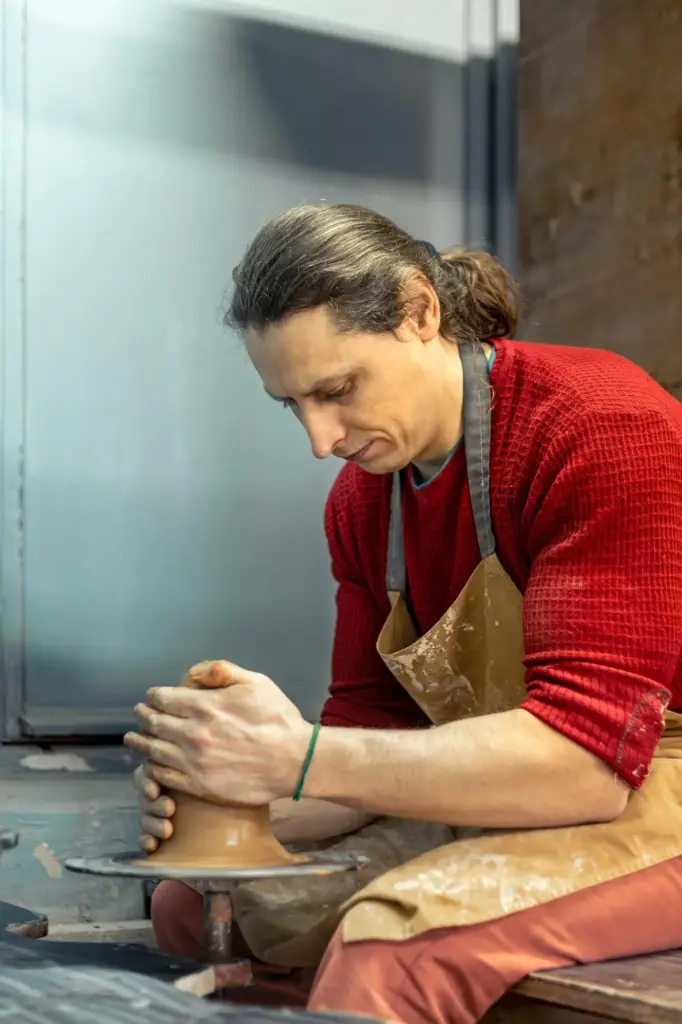
Glass and ceramics, born in furnaces glowing like Adriatic sunsets, connect workshops from the lagoon to hilltop villages. Beads, tiles, and utilitarian bowls encode local taste through color and curve. A pot’s foot remembers the wheel’s tempo; a bead’s glint mirrors a harbor at dusk. Recipes for slips, glazes, and batch proportions cross borders nested in gossip, songs, and shared apprenticeships. What emerges is a family resemblance, never identical yet unmistakably related by heat and breath.
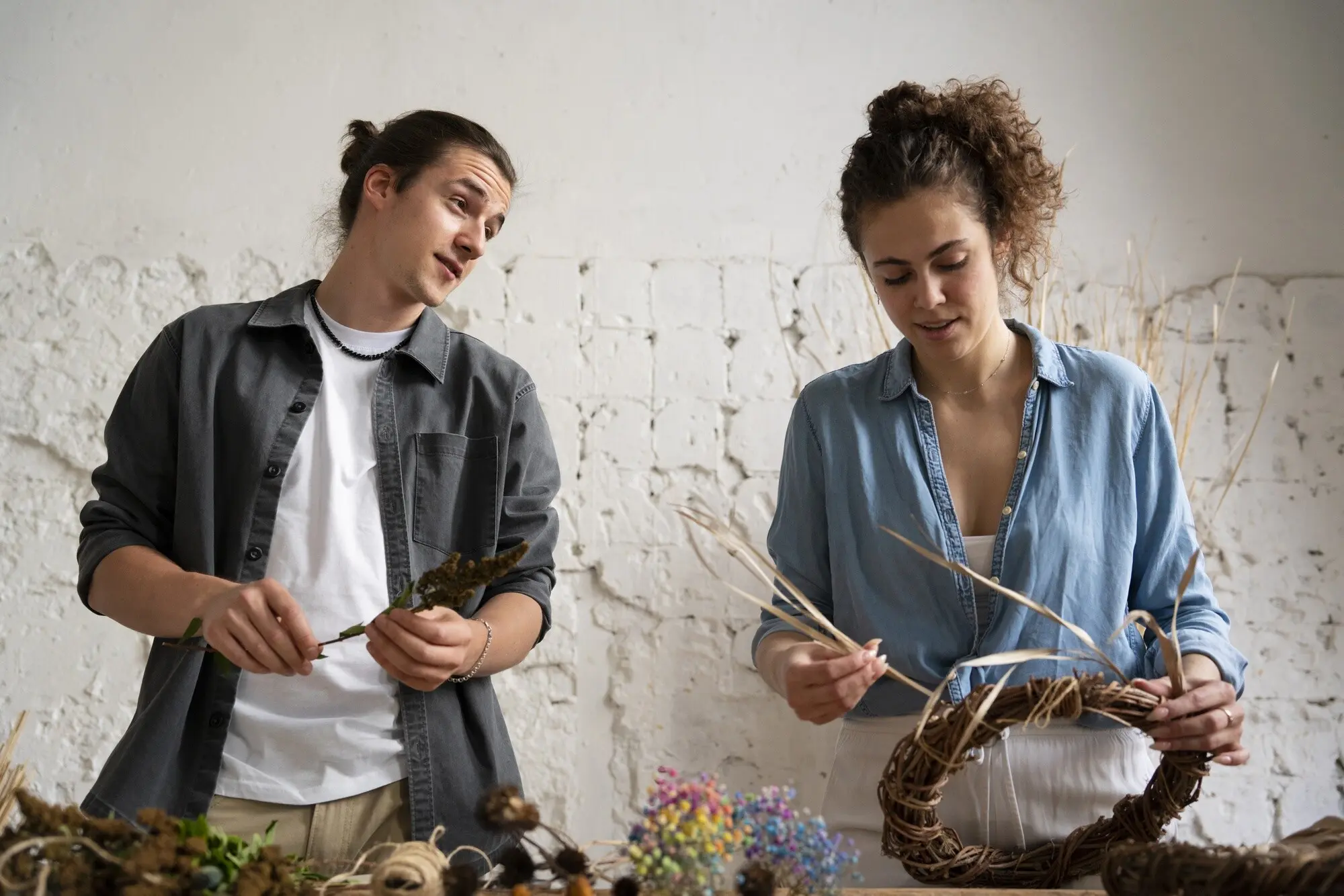
The Mask-Maker by the Molo

The Lacekeeper of Idrija
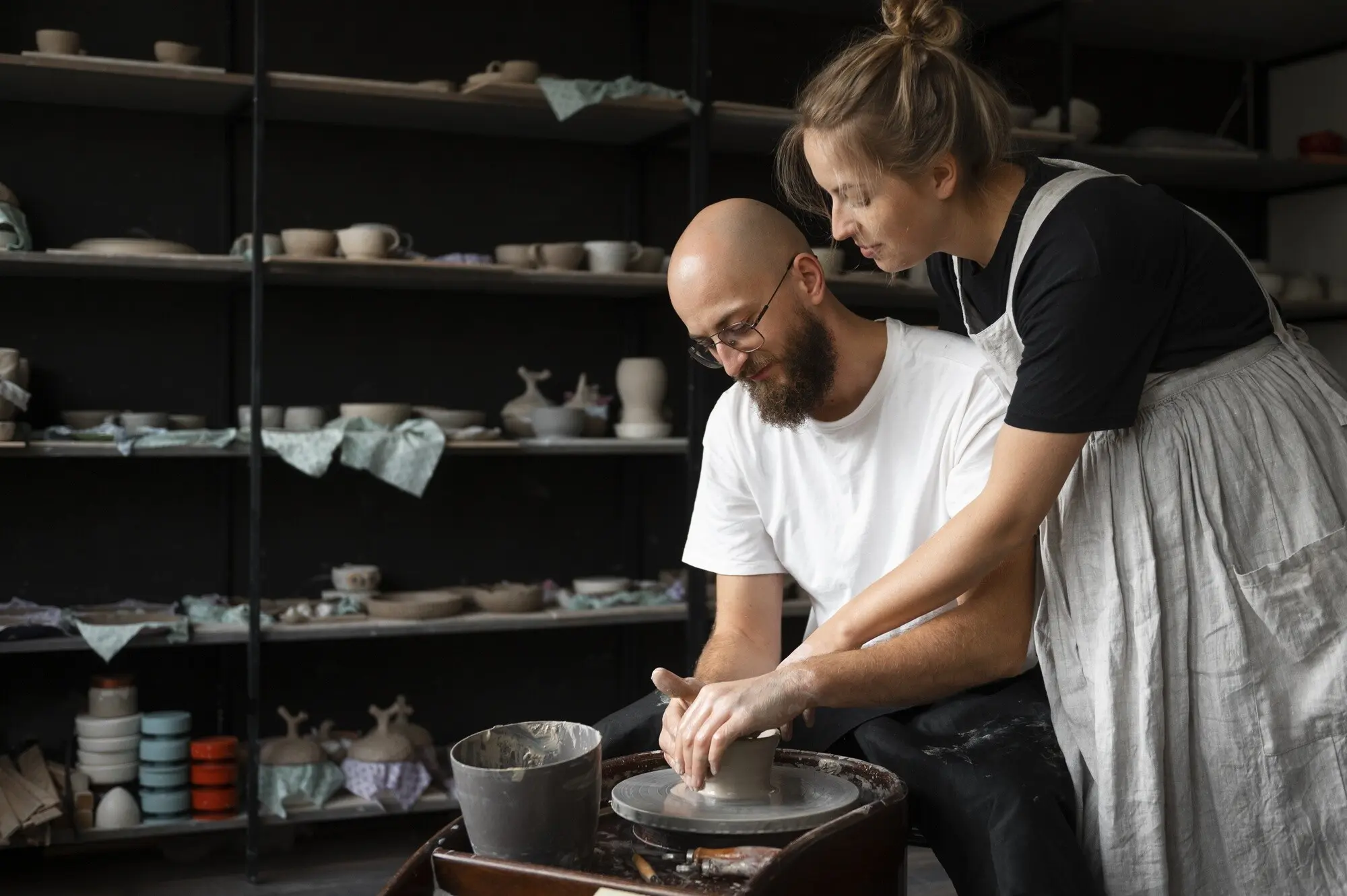
The Shipwright in Betina

Lace Weekends That Spark Friendships
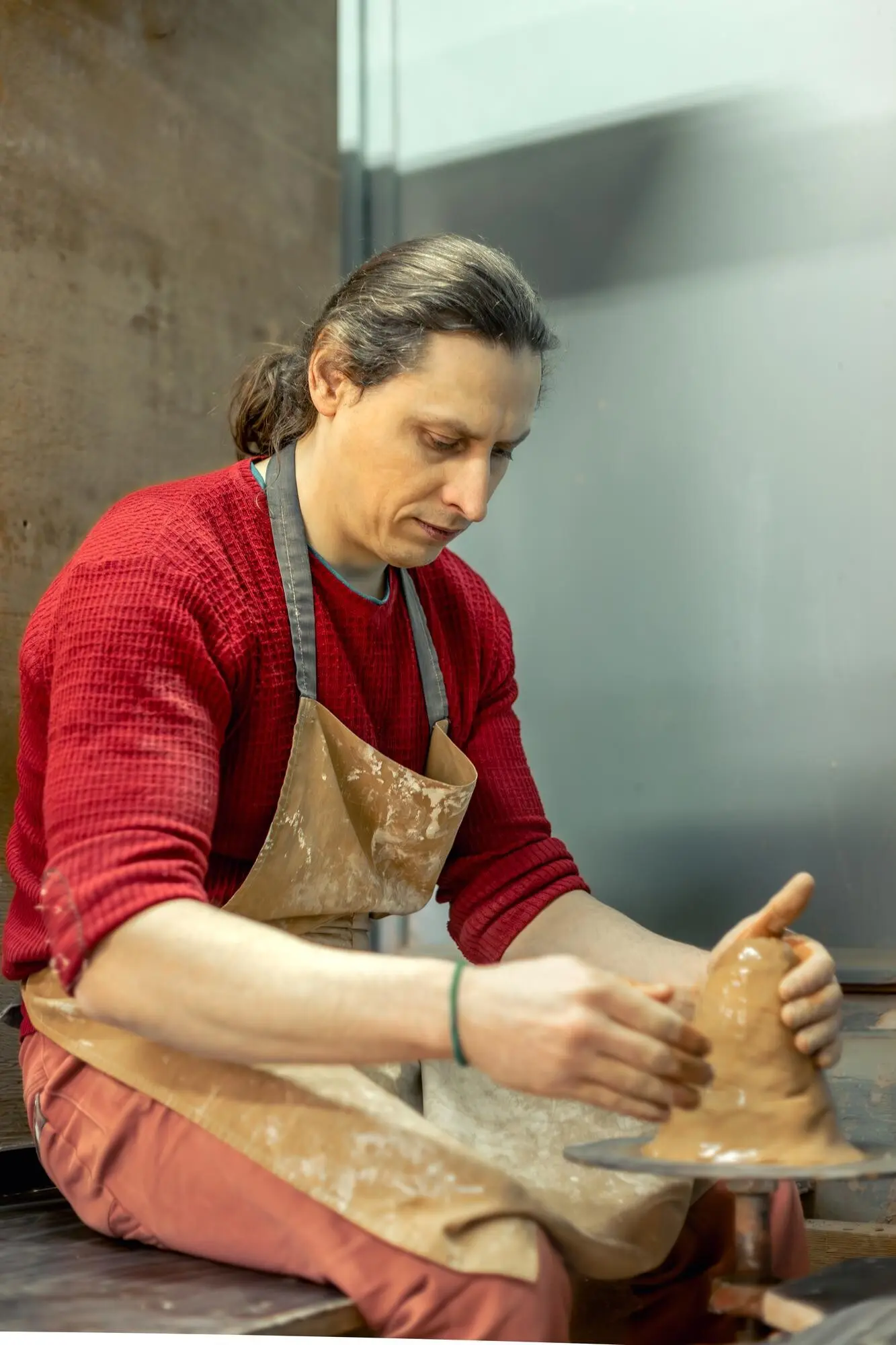
Carnival Bridges and Craft Parades
Safeguarding Knowledge While Inventing Tomorrow
Your Hands-On Adriatic Itinerary
A Weekend Route for Curious Hands
Workshop Etiquette and Friendly Words
Share, Subscribe, and Support
All Rights Reserved.