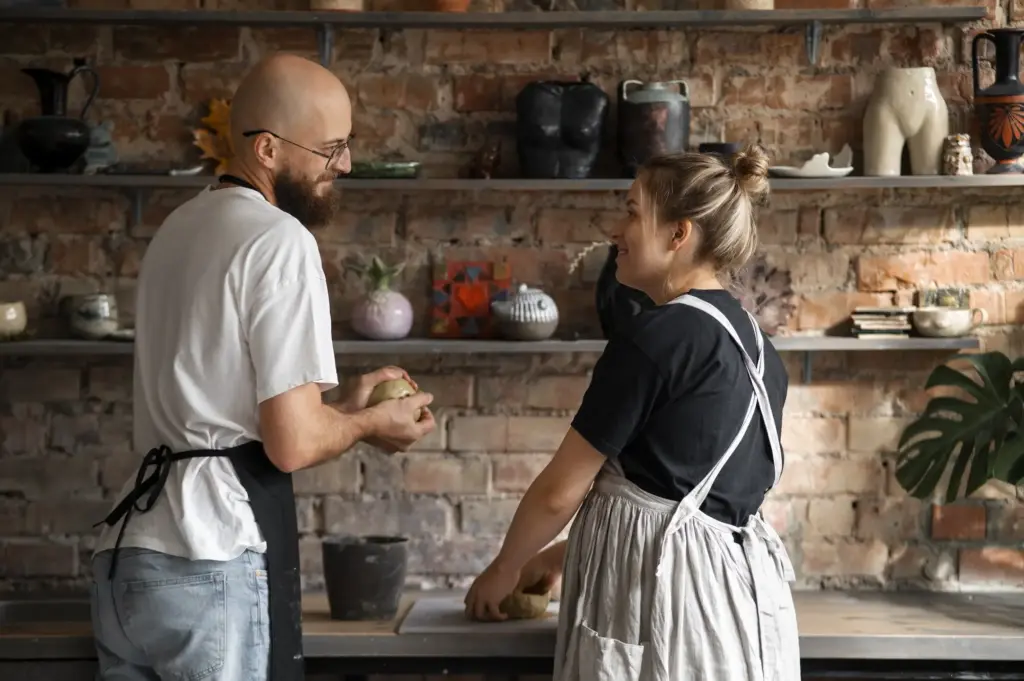
From Alpine Peaks to the Adriatic: Handcrafted Journeys
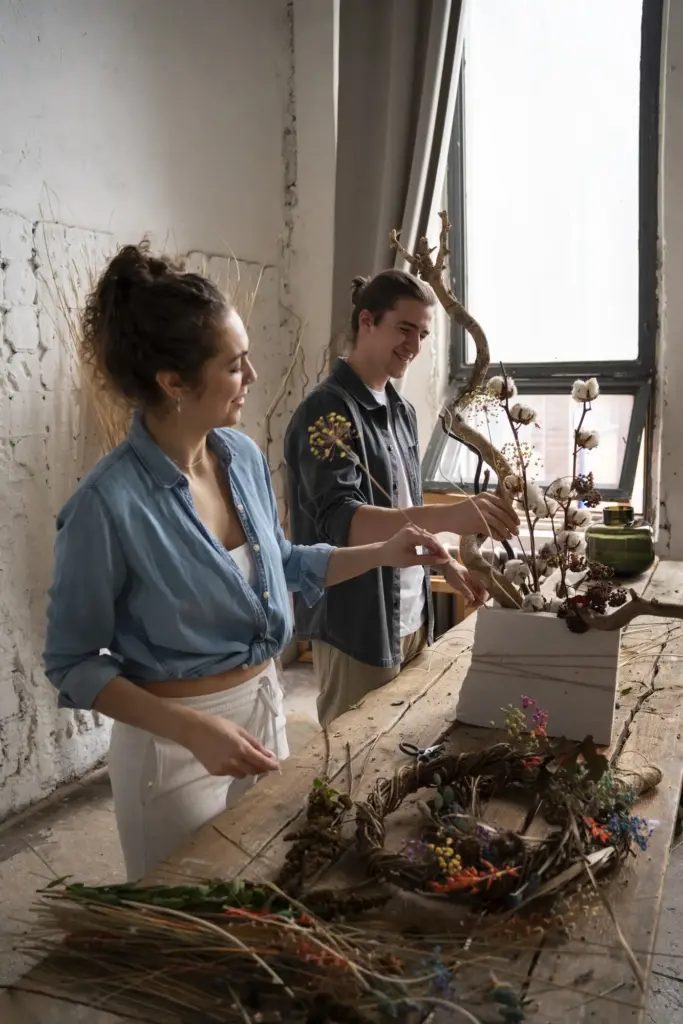
Step into the living corridor known as Alps to Adriatic Slowcraft, where mountain wool, coastal steel, ancient laces, and sun-baked clays find their voice in patient hands. We will wander from high valleys to sea-bright harbors, meeting makers who measure progress by seasons, stories, and repair. Expect recipes for color drawn from plants, routes traced by old markets, and invitations to learn, linger, and write back with your questions, memories, and curiosity.

Mountain Looms, Coastal Knives: Traditions That Breathe

Between thunder-blue glaciers and salt-silver bays, slow making thrives on contrast. Fleece warms on ledges where edelweiss outstares wind; blades cool beside boats that smell of pitch and citrus. These crafts are not museum relics but everyday companions, fixing roofs, slicing pears, and swaddling newborns. Follow the cadence of footsteps over passes, and you will hear carders, smiths, and carvers share techniques learned in kitchens, barns, and docks, never rushed, forever attentive to weather and neighborly wisdom.

Routes, Markets, and Secret Workshops

The best paths rarely appear on glossy maps. They reveal themselves by the smell of roasted chestnuts, faint hammering behind shutters, and chalk arrows scratched onto stones by someone kind. Markets gather at dawn in squares where bells test the morning. Follow their rhythm to baskets of carded wool, rivets in screw-top jars, and dyes folded inside brown paper. Ask softly, listen longer, and a locked door might open onto a bench, a stool, and priceless time.

The Dawn Train Through Karawanks

Boarding before sunrise, you watch rock open like a book, then close again. In the dim carriage, a woman fingers nettle-fiber twine while a student sketches loom drafts between tunnels. When daylight finally spills, vendors climb aboard with pockets full of buttons and stories. You mark stations not by names but by bread smells and a glimpse of skeins drying from balconies. This line teaches geography through tools, reminding travelers that arrival is often a conversation, not a stop.

Saturday Piazza Bargains and Blessings

Under striped awnings, voices braid together: haggling, laughter, the bass drum of crates settling. A lace seller threads silence into her smile while a cooper thumps a hoop to prove the join. Children trade marbles for yarn ends; grandfathers compare pocketknives the way gardeners compare rain. Stand long enough and you will be entrusted with an introduction, a shortcut, or the name of a spring whose water sweetens dye like a forgotten childhood song.

Materials of Place: Stone, Fiber, Metal, Clay

Every material keeps a diary. Limestone drinks sunlight; basalt carries echoes of storms; fleece records altitude in crimp; ore remembers ancient fires; clay grips the fingerprints of every tide. Makers read those diaries aloud with chisels, combs, hammers, and thumbs. The result is not perfection but belonging: bowls that balance sea salt and polenta, jackets that shrug off sleet, hinges that do not squeak in damp. Choosing well means listening to the ground beneath your feet and breath.

Limestone That Drinks the Sun

In terraced villages, cutters wet slabs so the veins reveal safe paths for chisels. Sun-warmed stone keeps bread crust crisp and walls dry through furious rains. A carver speaks of his grandmother’s windowsill, worn smooth by cooling pans and folded letters. He measures time by the lichen’s progress and the quiet between dove calls. When he polishes a mortar, he thinks of basil, garlic, and the green promise of evenings shared with neighbors after heat subsides.

Fibers Combed by Glacier Wind

Wool, hemp, nettle, and flax carry microclimates in their texture. Shepherds plan shearing around waxing moons; spinners dip fingers in melted snow for grip; dyers map pastures by which flowers stain deepest. A shawl knit loosely enough to trap air becomes a pocketful of sunrise against ridge chill. Menders darn not to hide but to celebrate the snag, turning scrapes into constellations. Wear such cloth and you become both traveler and archive, warm with remembered weather.

Clay That Keeps Sea and Mountain on One Table

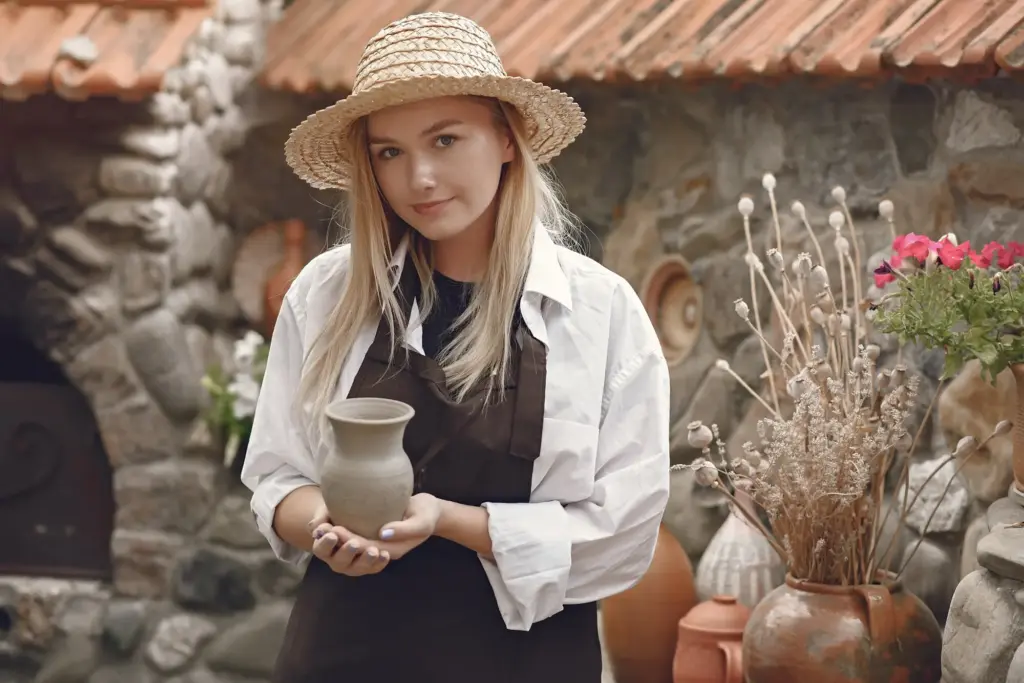
Potters wedge earth until it breathes evenly, then lift walls that remember river bends. Ash glazes born from vineyard prunings settle like coastal mist; slip trails echo goat paths on scree. Bowls deepen to cradle barley soups in snow months, then chill anchovy salads when heat presses. Handles earn their curve by learning your hand. A small chip invites kintsugi gold, teaching resilience without drama. On busy weeks, the plate itself reminds you to slow your bite.

Winter Counting, Summer Dyeing

Inventory happens by lamplight while roofs groan contentedly under snow. A ledger notes which shuttle squeaked, which beam warped, which spool emptied at a bad moment. Months later, dye pots wake beside buzzing wasps and curtained windows. Marigold, walnut, madder, and alder speak in surprising dialects depending on water and patience. Samples hang like flags above a kitchen doorway, each swatch a memory. By harvest, color becomes a pantry, sustaining eyes and hands through the next frost.

The Law of Two Tools

Juggling gadgets tempts haste; two cherished tools invite grace. A carver keeps one knife for push, one for pull. A weaver chooses two shuttles, dark and light, and composes a language from contrast. A smith repeats two hammers, rounding and cross-peen, refusing clutter that dilutes intention. Limitation sharpens listening and steadies breath. Traveling light, you also arrive ready to learn, because your bag holds room for stories, and stories, unlike tools, refuse to rust when shared generously.

When Mist Teaches Edges

Fog rolls into valleys and coves with patient authority, dulling outlines and cautioning pride. Carvers delay final cuts until the grain speaks clearly. Smiths test edges on rope and fennel stems rather than promises. Lace makers pause to blink warm moisture from their eyes, then find their rhythm steadier for the interruption. Work respects weather as a mentor, not an obstacle. By afternoon, when light returns like forgiveness, surfaces reveal depth earned by waiting rather than pushing.

Seasonal Rhythms and the Pace of Making

The calendar here is stitched, forged, pressed, soaked, and aired. Winter holds counting, repairing, sharpening, and long storytelling. Spring brings plant dyes, sap-sweet handles, and the first market murmurs. Summer demands patience with tourists and storms alike. Autumn husks corn for baskets and smokes blades against rust. When you work with weather, mistakes soften into teachings. A project begun one solstice sometimes finishes the next, and no one apologizes, because attention grows like vines: slowly, surely, beautifully.

People and Their Paths

Craft here survives because hands remember what maps forget. Makers carry mountain surnames into ports, and fishermen’s jokes into orchards. Apprenticeships begin over soup, not signatures. Borders fade where bobbins click, and dialects harmonize under anvils. Each person tells a route through the body: scars from slips, calluses from harvest, squints from counting stitches past midnight. These biographies are generous; they ask you to add your footsteps, your questions, and your gratitude to the long conversation.

Marta and the Traveler’s Skein

Marta winds a skein for every guest who stays long enough to help with dishes. She learned this habit from her father, who believed gifts should be practical, portable, and slightly puzzling. Later, on trains or ferries, travelers meet strangers who recognize the yarn and offer tea. Marta measures success by letters that return, stained with coffee and weather, reporting that a sock cuff became courage during a storm, or that a baby slept holding the wool like dawn.

Luka’s Net and the October Squalls

Luka repairs his net before first light, braiding lessons from his grandmother into every knot. When squalls surprise the bay, he trusts those knots more than forecasts. Back on shore, he trims tangled sections with a knife hammered by a cousin inland, proof that valleys and waves collaborate. The catch becomes stew for neighbors and bait for stories. Children trace wet footprints across cobbles, then fall silent as Luka explains why patience outruns speed when weather grows stubborn.

Anja’s Needles, A Border Without Fences

Anja inherited lace patterns hidden in a bread tin labeled for birthdays. Some motifs crossed checkpoints tucked under scarves; others waited decades in drawers. She teaches in three languages, two jokes, and one rhythm of bobbins that dissolves shyness. Her students mail photos of tablecloths laid for peace talks between in-laws, and cuffs worn for promotions. Anja says lace is not fragile; it is deliberate emptiness that holds everything together, including courage to invite difficult guests to supper.

Sustainability That Feels Like Home

{{SECTION_SUBTITLE}}
Repair as Ceremony
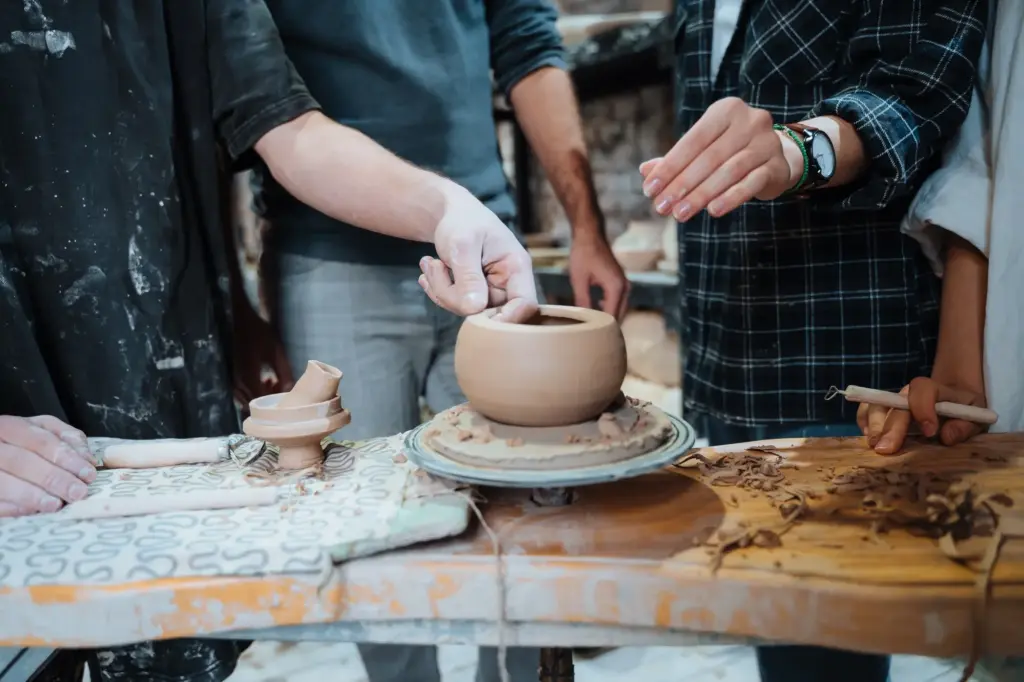
A cracked bowl waits on the mantel until everyone gathers. Gold or resin fills the seam while voices name the month, the rush, the lesson. Jackets receive elbows bright as marigolds, making future scrapes easier to confess. Children learn that damage is a chapter, not a verdict. The ceremony ends with bread broken against the mended rim. Guests sign the underside, promising to treat their own belongings with the same reverence that transforms accidents into heirlooms.

Food That Guides the Hand

Dawn coffee steadies carving strokes; noon polenta invites pause; late figs bribe persistence through final sanding. Makers time tasks by simmer, steep, and rise. Dye experiments follow soup recipes: tasting, adjusting, trusting smell over charts. A pot of beans suggests a rhythm of checking without fussing. Even feasts are simple, supporting labor rather than stealing its spotlight. Share your favorite workday snack or market salad in the comments, and we will try it on the next ridge.
Livodexomexovarozori
Privacy Overview

This website uses cookies so that we can provide you with the best user experience possible. Cookie information is stored in your browser and performs functions such as recognising you when you return to our website and helping our team to understand which sections of the website you find most interesting and useful.