Hands That Shape the Alpine–Adriatic
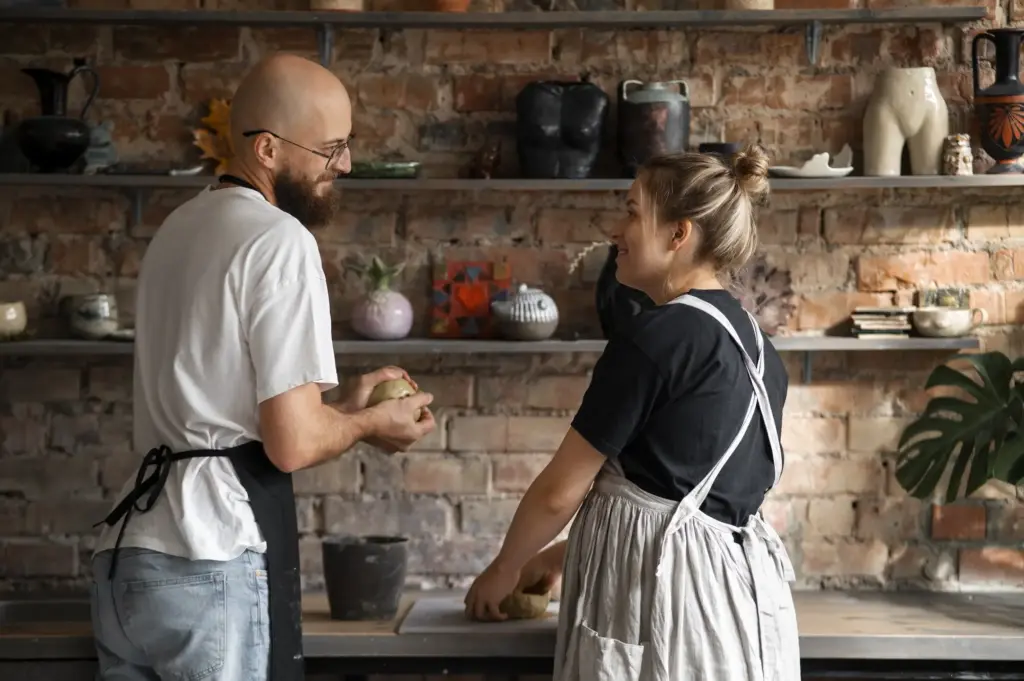
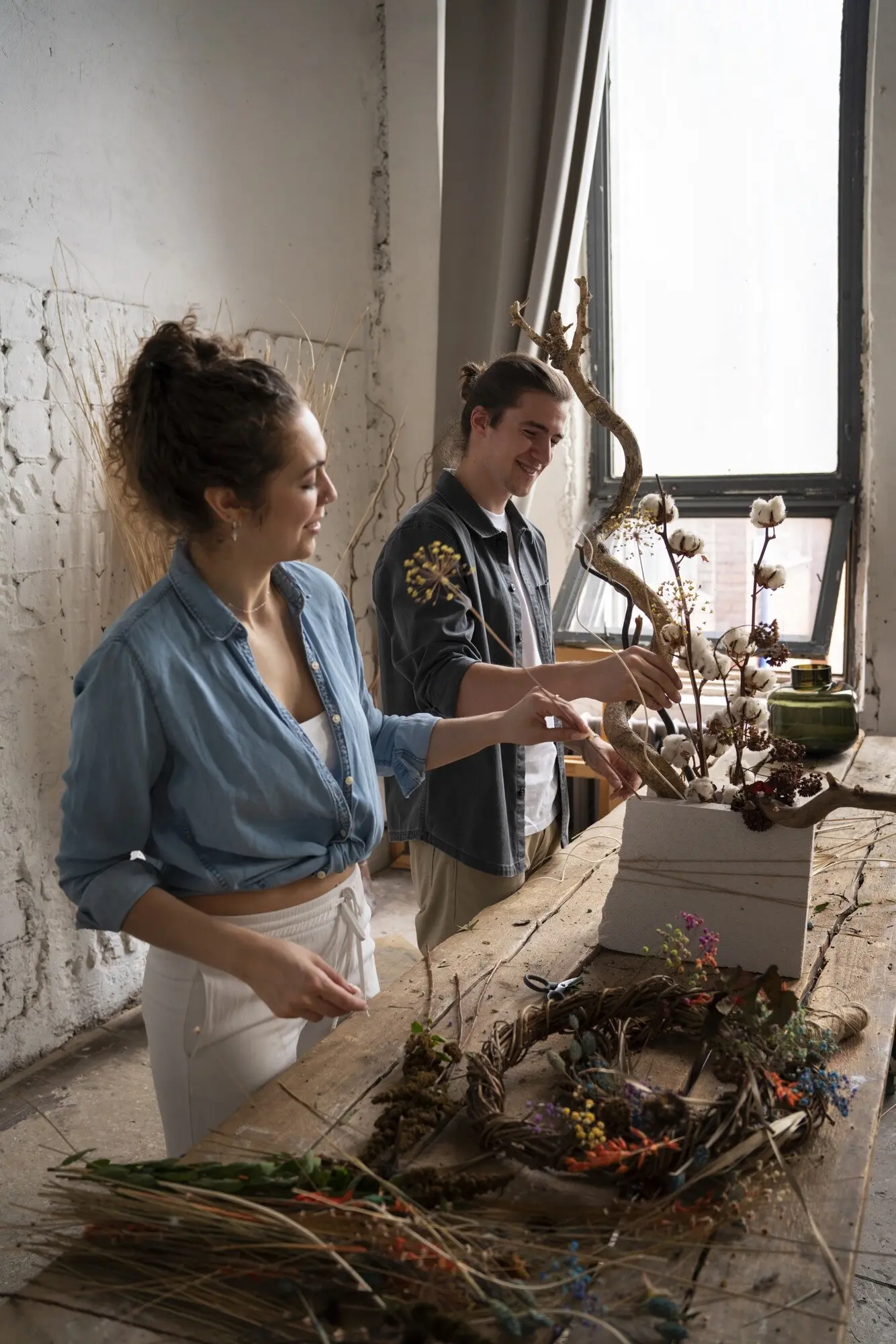
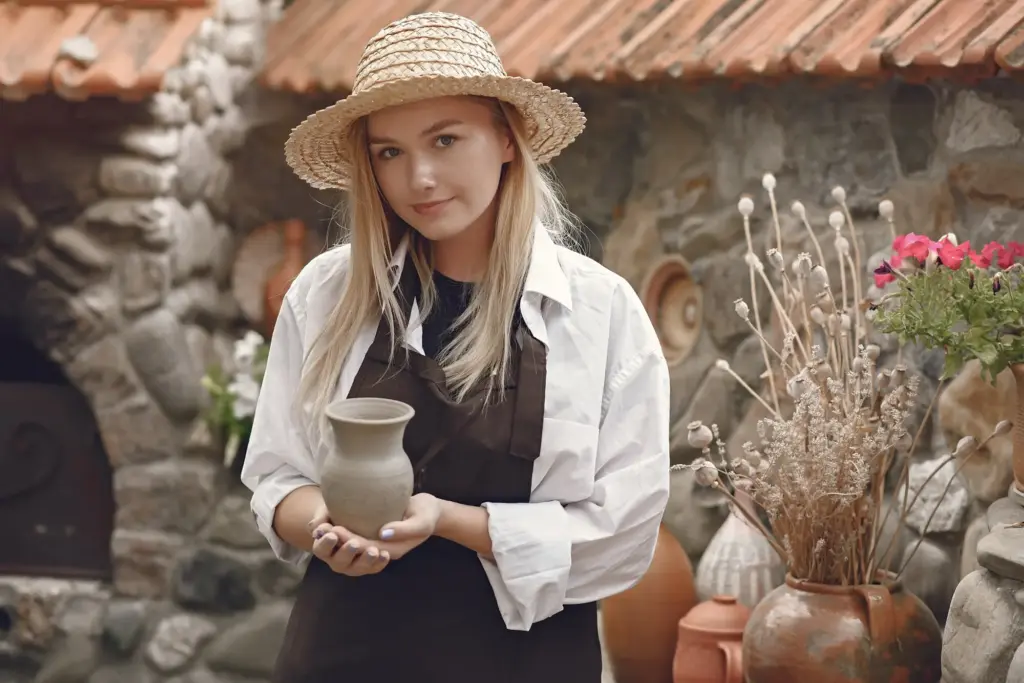
Journey into Workshops and Apprenticeships Across the Alpine-Adriatic Craft Trail, where mountain passes, river valleys, and salty winds from the coast carry know-how between small villages and storied ports. Meet masters who carve, forge, weave, roast, and ferment, while you learn patient rhythms, respectful etiquette, and pathways to meaningful practice. Expect muddy boots, ink-stained notebooks, stitched fingers, and friendships that outlast seasons. Bring curiosity, leave entitlement behind, and help us map opportunities, share questions, and celebrate the dignity of skill learned slowly, honestly, and together.

A Living Route of Mastery

From Carinthian forests to Istrian stone towns, the route feels less like a line on a map and more like a handshake between neighbors who teach with their hands. Wayfinding emerges through workshops that smell of beeswax, coal, resin, and coffee. You will navigate by bells ringing at noon, by market days, by harvest weekends, and by stories passed around long tables. Come prepared to listen, help sweep floors, and honor quiet moments when learning happens without words.

Map Your First Encounters

Start with regional calendars, guild notices, and small museums that maintain lists of open benches and visitor-friendly hours. Call ahead, introduce yourself, and ask what you should bring beyond sturdy shoes and attentive eyes. Learn greetings in Italian, Slovene, German, and Croatian; even imperfect phrases open doors. Respect private family routines, photograph only with enthusiastic consent, and share back links or translations that help masters reach future learners and curious travelers after you depart.

Stories Passed at the Workbench

Expect origin tales linked to rivers, storms, and ancestors who fashioned tools from scrap and patience. A blacksmith might recall a great-grandparent forging nails for alpine barns; a carver might point to a creaky staircase chiseled during long winters. Record quotes carefully, noting dialects and gestures. These details honor context and help you remember uncomfortable mistakes that became turning points, like over-sanding a surface, misreading a temper color, or trimming thread one breath too soon.

Seasonal Rhythms to Respect

Learning timelines shift with haymaking, grape harvests, and winter roads. Some benches empty during mountain transhumance, while others glow late as makers prepare markets. Accept that your best day might be sweeping chips rather than shaping wood, because preparation is skill. Ask about shoulder seasons when apprenticeships open, and plan buffers around storms. Flexibility earns trust, and trust unlocks invitations to family meals, cellar tastings, and late-night fixes where patient guidance replaces hurried instruction.

Finding Your Place at the Bench

Choosing where to learn begins with honesty about your stamina, humility, and available days. Masters appreciate initiative when paired with realistic expectations: you will carry lumber, scrub vats, catalog offcuts, and journal daily. Share what motivates you—heritage, career change, restorative practice, or community building—and ask about safety, housing, insurance, and fair exchange. Many workshops favor shorter trials before deeper commitments. Treat feedback like a compass, not a verdict, and adapt your route accordingly, step by steady step.

Assess Your Readiness

List practical constraints: budget, visas, regional transport, and physical demands such as standing hours or lifting weight. Consider learning styles and language comfort; does demonstration help you more than lectures? Gather examples of your efforts—drawings, small repairs, or community projects—so mentors can see your persistence. Build rest days, because fatigue breeds clumsiness. Read safety sheets before arrival, trim nails, tie back hair, and commit to asking questions early rather than hiding confusion behind hurried nods.

Approach Masters with Care

Write a concise letter introducing your background, preferred dates, and what you hope to contribute besides enthusiasm. Mention any certifications, allergies, or dietary needs respectfully. Offer to help prepare wood, label inventory, translate a website page, or document processes with photos approved beforehand. Follow up once, then wait; many artisans answer at night after long shifts. A gracious yes or thoughtful no both deserve thanks. If invited, confirm tools provided, protective gear required, and modest lodging possibilities nearby.

Shape a Learning Plan

Co-create a schedule that balances repetition with small wins: sharpening mornings, surface prep afternoons, then supervised assembly later. Define checkpoints: safe tool handling, material identification, and finish testing. Keep a daily log with sketches, measurements, and reflections about mistakes you learned from. Clarify what completed piece, evaluation notes, or reference photos you may take home. Agree on communication norms during busy hours, and commit to cleaning thoroughly, because respect for shared space anchors every successful apprenticeship.

From Timber to Tone

Wood breathes differently when cut at altitude, dried in valley winds, and joined beside a stove during snow. Along this route you meet cooperages shaping barrels for karst wines, carvers coaxing saints and masks from larch, and instrument makers testing resonance in quiet rooms. The vocabulary includes grain runout, quarter-sawn planks, hide glue bloom, and the particular hush when a chisel finally sings. Apprentices learn by sweeping curls, judging moisture by touch, and listening more than speaking.

Coopers of Mountain Valleys

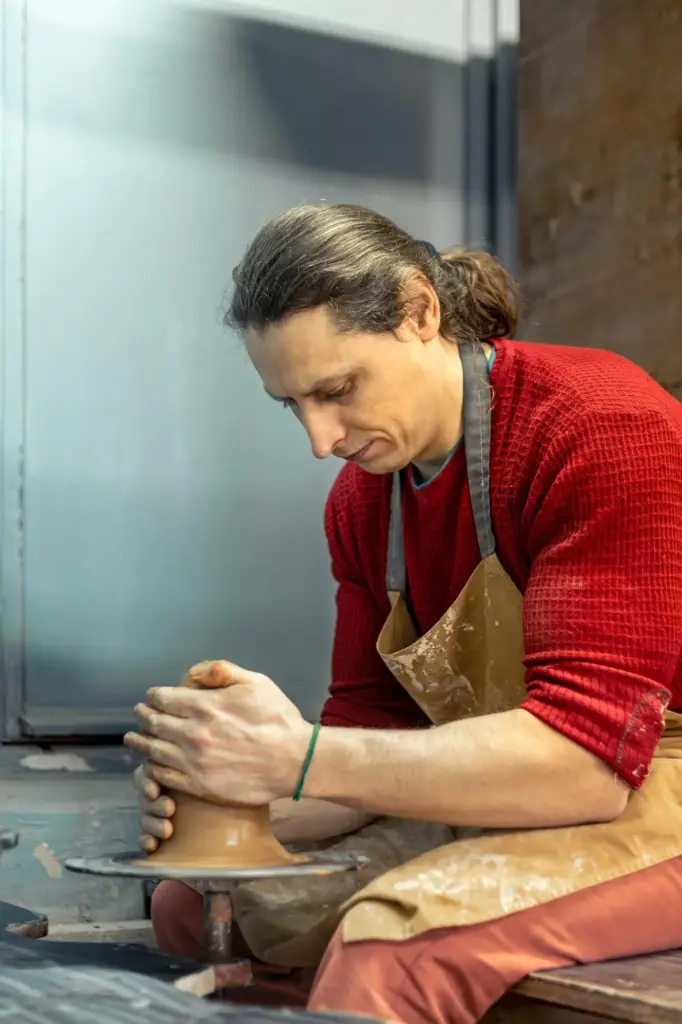
You will feel heat and steam curl from staves as iron hoops tighten with rhythmic strikes. Lessons emphasize forest stewardship, plank selection, and seasoning that honors air rather than haste. Apprentices practice reading smoke, repairing leaks with patience, and aligning seam shadows. Barrels move from workshop shade to cellars perfumed by wine, vinegar, or herbal schnapps. Every tiny adjustment matters, and mentors teach timing the way musicians teach rests: with attentive silence between decisive motions.

Carvers of Sacred and Everyday

Benches gather pencils, mallets, and small saints awaiting hands that respect grain. You begin with tool rolls, edge angles, and safe grips, then rough forms that look like mistakes until light shows a shoulder, sleeve, or wing emerging. Dust holds secrets; sweep carefully, noticing textures that shift with species and humidity. Masters remind you to carve time as gently as wood, pausing to check silhouettes from distance. Celebrate sanding less, sharpening more, and design choices made deliberately.

Instrument Voices and Alpine Air

Across quiet rooms, plates flex under thumb pressure, bridges align by fractions scarcely visible, and varnish whispers of resins gathered from nearby hills. You will learn to trust tap tones, control humidity, and document experiments without attachment to quick results. Sometimes progress means ungluing yesterday’s proud joint. Mentors encourage listening to silence between notes, because restraint shapes resonance. Share recordings, ask permission to photograph jigs, and remember that steadiness nurtures sound long after applause fades.

Threads, Metal, and Fire

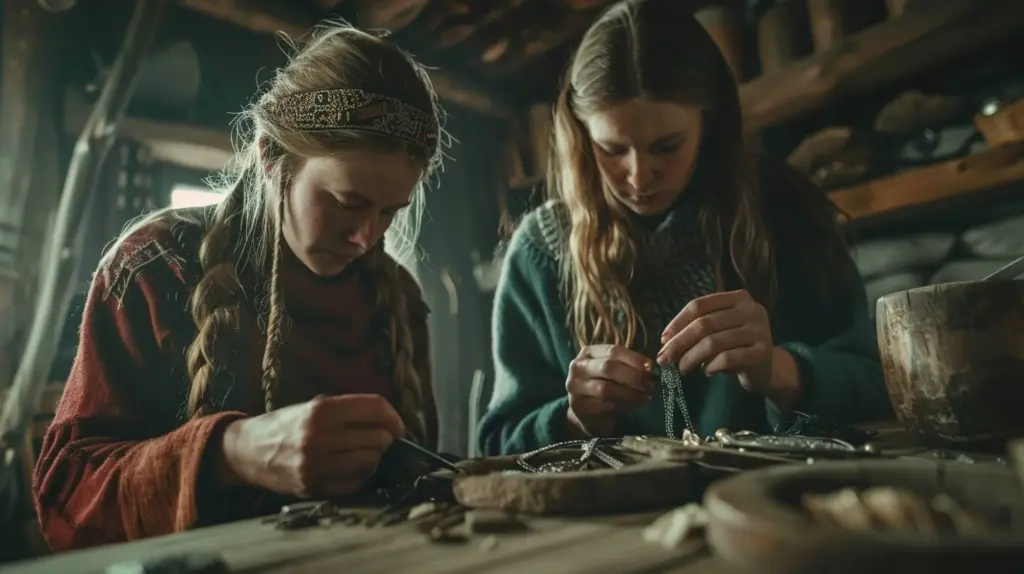
Looms click like distant rain while bobbins dance across pillows, and forges answer with sparks that smell of lightning. Here, lace-makers chart constellations in linen, blacksmiths draw light from iron, and coastal goldsmiths twist wire into filigree that catches Adriatic sun. Apprentices memorize patterns, temper colors, and breathing rhythms. The work refines patience until it becomes joy, and mistakes become tutors who never raise their voices yet always insist on another attentive pass.

Taste, Time, and Terroir

Foodways along the route are crafts with their own toolkits: copper vats, molds, curing rooms, bees, and barrels. Apprenticeships in dairy huts, coastal roasteries, and karst cellars reveal microbial choreography, airflow wisdom, and patience measured in weeks rather than minutes. You will stir with wooden paddles, lift wheels with friends, and learn to trust smell over timers. Good mentors feed you questions with soup, challenging palate memory and seasonality. Gratitude tastes like bread heels dipped in shared broth.

Cheesemaking Above the Tree Line

Morning milk steams while fog lifts from pastures. Lessons teach cultures like characters in a novel, each with temperament and hunger. You will judge curd cuts by edge shine, stack molds without bruising, and turn wheels to balance moisture. Cleaning is half the craft; stainless sings when cared for. Apprentice journals track temperatures, brining times, and surprising barn notes that become flavor signatures. Celebrate small wins: even spacing on a drying rack means hands are learning harmony.

Cellars of Wind and Salt

Karst plateaus lend their famous wind to curing rooms where time moves sideways. Salting, pressing, and hanging teach patience that bites lips before slicing too soon. Apprentices learn airflow routes, mold blooms worth keeping, and the respectful silence due to family recipes. Cellar floors record generations of footsteps; tread gently. Pair tastings with local bread and olives, noting textures like stories: beginnings firm, middles generous, finishes lingering. Share gratitude by labeling meticulously and cleaning hooks until they gleam.

Roasters of a Port City

In a harbor where languages braid like ropes, roasters cup coffees that traveled almost as far as learners do. Apprentices calibrate grinders by ear, log profiles precisely, and take responsibility when a batch drifts. Steam fogs windows; notebooks fog too, filled with descriptors that grow humbler over time. Hospitality means extra cups for dockworkers, translators, and curious passersby. Carry beans home, share brewing notes, and credit the mentors who taught you to balance curiosity with restraint.

Sustainable Journeys and Ethical Learning
Travel Light, Learn Deep

Pack layers, a compact notebook, and a respectful curiosity that fits in any pocket. Trains between alpine junctions and coastal cities run reliably; buses explore tributaries of craft where maps turn shy. Slow movement opens conversations in stations, ferries, and cafes. Ask locals about trail conditions, market days, and shortcuts that honor private land. When schedules slip, practice patience rather than pressure. Your calm presence becomes part of the learning, proving that grace travels faster than hurried itineraries.

Fair Exchange and Safety

Agree on compensation, hours, and responsibilities with clarity that saves friendships. Bring insurance details, safety shoes, and hearing protection if relevant. Learn first-aid basics and respect no-go zones around blades, kilns, lifts, and ladders. When fatigue arrives, say so before mistakes compound. Offer value beyond fees: translate a caption, repair a stool, or share photos after approval. Fair exchange is culture, not paperwork, and safety is community care made visible in small choices repeated daily.

Share, Subscribe, Return

We invite you to leave a comment with your interests, subscribe for workshop alerts, and suggest artisans we should meet next along this route. Tell us where you struggled, where you laughed, and which train window framed your favorite sunrise. We compile respectful contact lists, travel tips, and language snippets for readers. Your experiences guide future apprentices toward kind mentors. Together, we keep benches full, doors open, and the Alpine–Adriatic handshake warm, welcoming, and beautifully generous.
Livodexomexovarozori
Privacy Overview

This website uses cookies so that we can provide you with the best user experience possible. Cookie information is stored in your browser and performs functions such as recognising you when you return to our website and helping our team to understand which sections of the website you find most interesting and useful.