Where Borders Blur, Crafts Connect
Today we journey into the cross-border craft heritage of Italy, Slovenia, and Croatia, tracing living skills that ripple along the Adriatic and over the Karst. Expect lace pillows whispering patterns, shipwrights tuning planks like violins, stonecutters reading fossils, and salt workers coaxing crystals from wind and sun. Meet guardians of memory who welcome new hands, discover travel routes and workshops, and find practical ways to support and celebrate makers shaping shared cultural continuity.

Coastlines, Karst, and Caravans: How Skills Traveled

Across sea lanes, goat paths, and market squares, techniques flowed faster than politics could draw lines. Boatbuilders borrowed joints, lace makers traded patterns, and stonecutters refined chisels by listening to echoes inside limestone. This moving conversation across Italy, Slovenia, and Croatia shaped resilient know-how that still feels contemporary, because it was never static, always learning from neighbors while honoring the patience, rhythm, and pride carried within careful hands and enduring tools.

Trade Winds and Mountain Passes

Merchants tacked along the Istrian coast while mules climbed Karst passes, loading baskets with thread, iron, olive-wood blanks, and stories. Ports like Trieste and Koper pulsed with arrivals, spreading rumors of better glues, sharper rasps, and bolder stitches. Knowledge rode conversation, marriage, and friendship, so a boat born in Murter carried an idea borrowed in Izola and improved in Monfalcone, proof that routes weave together people whose work recognizes no customs gate.

Guilds Without Borders

Formal guilds once stamped approvals, but the real school was the shared bench. Traveling masters took apprentices across frontiers to fix a keel, set leaded glass, or dress a millstone. Payment came in meals, lodging, and quiet moments watching a master’s wrist. Even when empires shifted, workshops upheld customs: fair prices, honest measure, and a duty to repair before replacing. Those unwritten rules formed a portable ethic that migrants carried and enriched.

Languages of the Hand

Workshops spoke mixed dialects long before dictionaries admitted it. A phrase in Italian for the best cut, a Slovene word for bobbins, a Croatian term for a stubborn knot, and everyone instantly understood through gesture and rhythm. Palms translated faster than tongues. Apprentices learned that sanding pressure communicates respect, and that counting lace pairs steadies the breath. In this tri-lingual chorus, the body keeps time, and shared making becomes the clearest, friendliest conversation.

Materials That Bind Three Shores

From the soft clatter of wooden bobbins to the spark of a chisel on shell-laced stone, materials carry memory. Karst limestone remembers coral seas; Adriatic oak holds storms; flax turns light into filigree. These landscapes offer a library of touch, where glass gathers its glow, brine becomes crystals, and pitch warms into protection. Makers read this library daily, learning humility from weight, grain, and fracture lines, and translating nature’s patience into durable beauty.

01

Lace Across Limestone

Idrija’s disciplined bobbin lace converses with airy Pag circles and Venetian lagoon filigree, each responding to climate, thread, and taste. Patterns traveled by postcard, shawl edge, and wedding chest, shifting scale to fit different pillows and hands. What looks delicate is actually engineering in miniature: tension, twist, and counted pairs managing force like bridges. When makers meet across the border, one detail changes—a denser ground, a brighter cord—and an old design suddenly breathes differently.

02

Stone, Wood, and Sea

Karst and Brač limestones shape portals, wells, and steps tuned by generations of footsteps, while oak, cypress, and pine ribs hold small fishing boats steady against afternoon gusts. Each cut honors a material’s wishes rather than imposing a shortcut. Shipwrights listen with chalk and mallet; masons feel micro-vibrations through the handle. Even scraps find purpose: wedges, plugs, or playful toys. When repairs happen, they become visible footnotes, acknowledging use as a chapter, not a scar.

03

Fire and Sand Alchemy

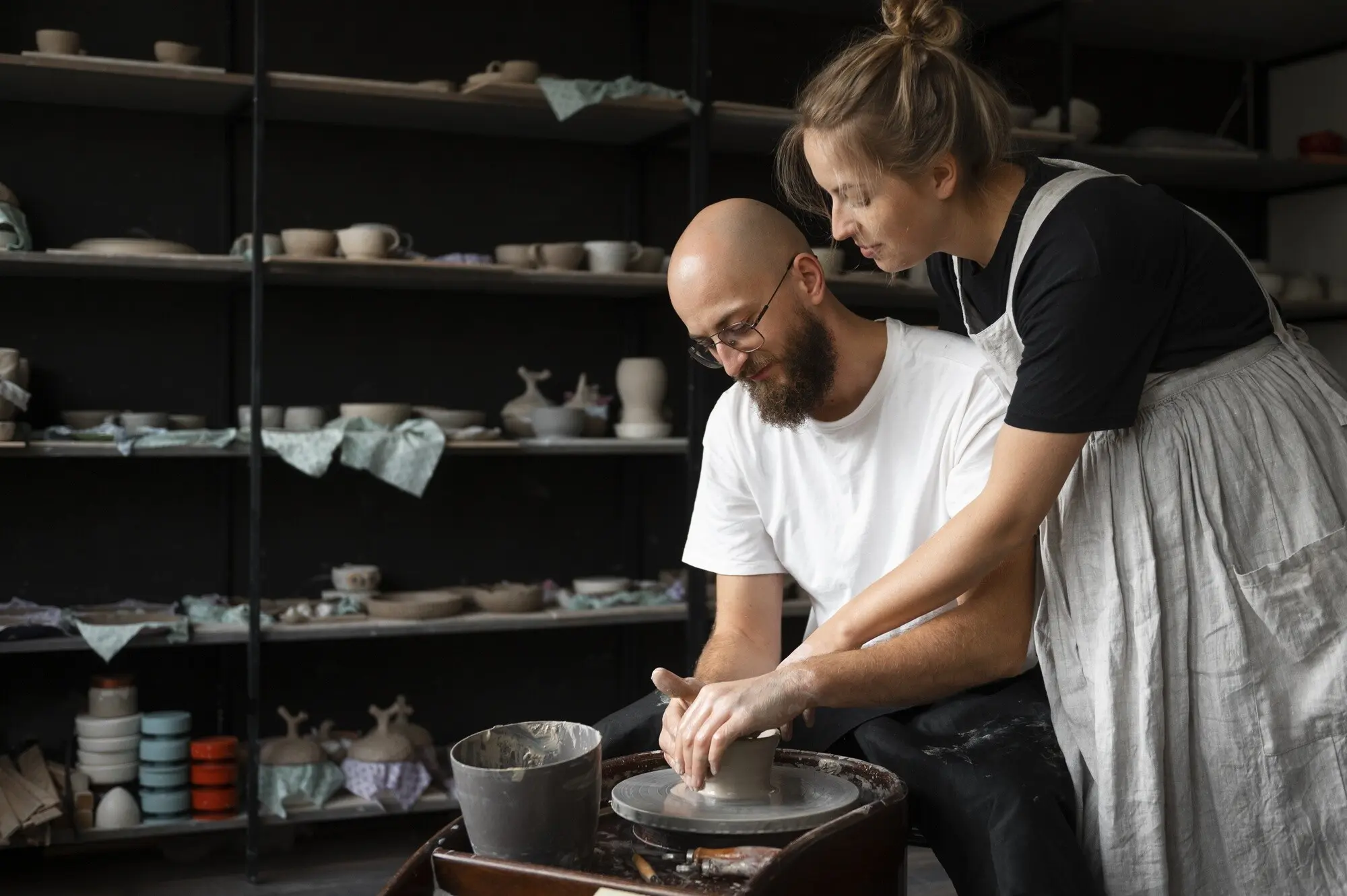
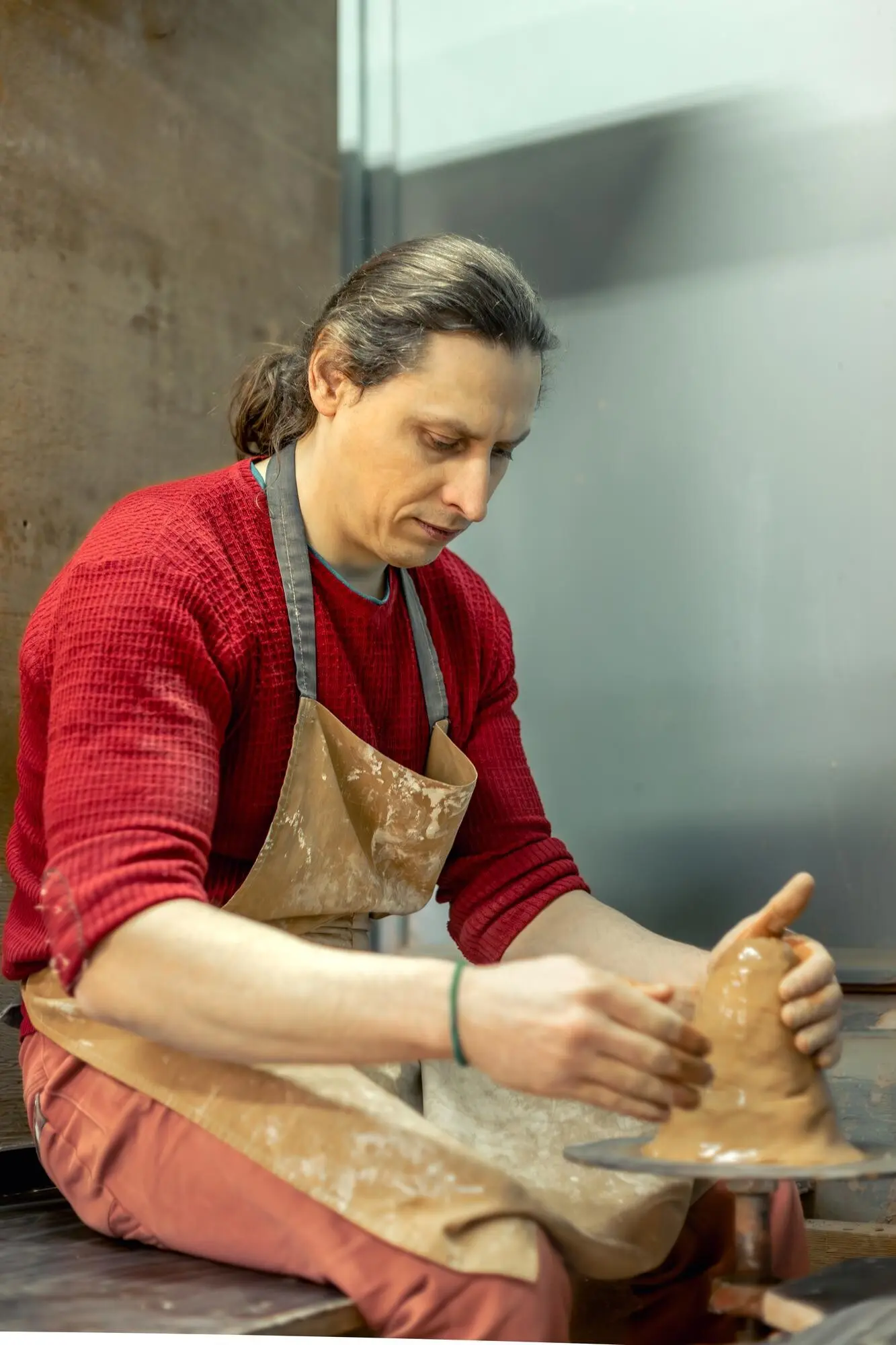
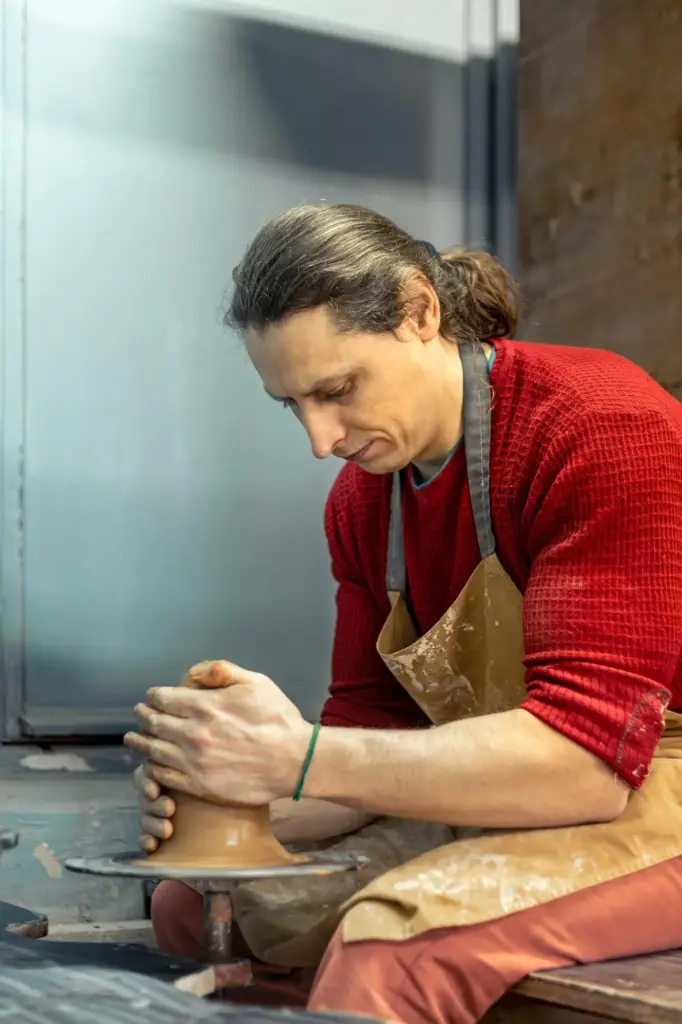
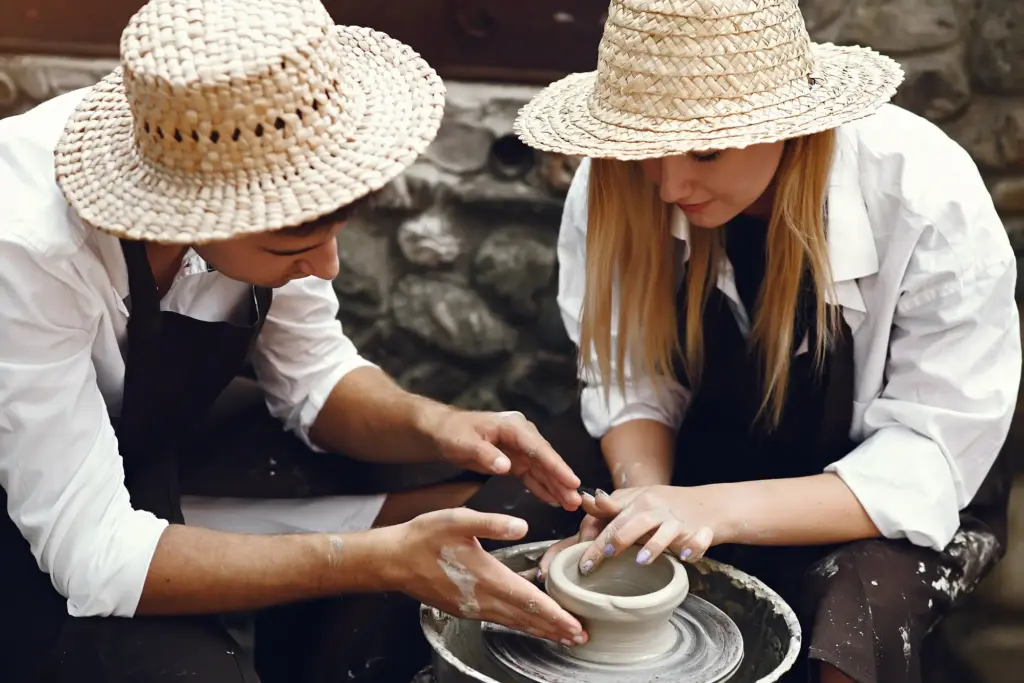
Glass and ceramics, born in furnaces glowing like Adriatic sunsets, connect workshops from the lagoon to hilltop villages. Beads, tiles, and utilitarian bowls encode local taste through color and curve. A pot’s foot remembers the wheel’s tempo; a bead’s glint mirrors a harbor at dusk. Recipes for slips, glazes, and batch proportions cross borders nested in gossip, songs, and shared apprenticeships. What emerges is a family resemblance, never identical yet unmistakably related by heat and breath.
The Mask-Maker by the Molo
In a narrow workshop near Trieste’s waterfront, paper, linen, and glue become light, resilient faces ready for winter revelry and spring parades. The maker sands edges until they disappear against skin, then brushes pigments borrowed from seaweed, rust, and sunrise clouds. Visitors try on expressions and unexpectedly stand taller. The craft invites playful selves to surface, proving that disguise can reveal truth: we are many, and artistry helps welcome every facet with humor and dignity.

The Lacekeeper of Idrija

Bobbins tick like small clocks while a maker reads the pricking as if it were sheet music. She learned from a grandmother who hid the pillow during wartime, then taught neighbors as peace returned. Each motif carries a secret—perhaps a birthdate, a local flower, or a promise. Students begin clumsy, then find rhythm, counting under breath. When a finished edging crosses the border as a gift, it arrives with a heartbeat stitched into every inch.

The Shipwright in Betina

Morning light reveals pencil lines fairing a hull, chalk dust dancing above oak planks as clamps click in sequence. The shipwright knows which knot means a storm is coming and which silence means a perfect fit. Launch days turn the village into a choir, children racing along the slipway. Boats here are family members: they fish, carry cousins to weddings, and teach patience. New motors may hum, but the curve of tradition still steers true.

Lace Weekends That Spark Friendships

During lace festivals, streets flutter with patterns strung like sails between windows. Demonstrations slow time: you hear wooden clicks turn into gentle percussion ensembles. Makers compare threads, swap small gifts, and welcome beginners to try a beginner trail. Local cafés extend tables, and suddenly a traveler is laughing with three generations. By evening, shawls glow in sunset light, and departing guests tuck a coaster or bookmark into a journal as a promise to return.

Carnival Bridges and Craft Parades

Across the region, winter’s end brings costumed processions and masks that took weeks to shape, paint, and stitch. Brass bells call spring awake while workshops reveal backstage magic: reinforced seams, balanced headdresses, and breathable paints. Cross-border visitors notice cousins in design—shared colors, feathers, and satirical smiles—each locality remixing familiar elements with pride. Buying a handmade mask or belt supports a year’s quiet preparation, translating applause into rent, materials, and the next apprentice’s tuition.

Safeguarding Knowledge While Inventing Tomorrow
Preservation does not freeze craft; it keeps it nutritious. Apprenticeships, open workshops, and careful documentation ensure skills survive relocations, economic tides, and digital shifts. Innovation thrives when rooted: recycled fibers, low-toxicity varnishes, and fair pay models honor elders while welcoming new makers and audiences. Partnerships between coastal towns and inland schools multiply options. If you care about continuity, your choices—what you buy, share, and praise—feed a future where hands and habitats both flourish.

Your Hands-On Adriatic Itinerary

A Weekend Route for Curious Hands

Start in Trieste among mask-makers and maritime museums, then hop to Gorizia/Nova Gorica for cross-border exhibitions and a lace demo. Continue to Idrija for bobbin basics and museum treasures, before coasting to Piran or Koper for salt flats and ceramics. If time allows, head south to Rovinj or Betina to meet boatbuilders. Choose small guesthouses, bring cash for studio purchases, and travel light so you can carry home objects infused with place and friendship.

Workshop Etiquette and Friendly Words

Arrive on time, switch your phone to silent, and ask before photographing any process sheets or tool racks. Compliment technique rather than price, and accept tea even if you sip slowly. Simple greetings—buongiorno, dober dan, dobar dan—open doors, while smiles translate finer nuances. Wear clothes that forgive dust and glue. Most makers enjoy questions that show attention: why this wood, what tension, which chisel angle. Always credit names when you share your new skills online.

Share, Subscribe, and Support

Join our mailing list for new workshop dates, fair calendars, and maker spotlights from Italy, Slovenia, and Croatia. Comment with travel tips, favorite studios, and questions we can relay to artisans. Tag your photos so we can amplify responsible tourism and fair buying. Consider commissioning repairs before replacements, and gifting classes instead of trinkets. Every message, subscription, or purchase strengthens a network where care travels further than borders and the next generation sees a path.
Livodexomexovarozori
Privacy Overview

This website uses cookies so that we can provide you with the best user experience possible. Cookie information is stored in your browser and performs functions such as recognising you when you return to our website and helping our team to understand which sections of the website you find most interesting and useful.